
Looking for a Tableau alternative? Discover Zoho Analytics - a modern, cost-effective, and one of the best alternatives to Tableau for data analysis and visualization.
Tableau is great for advanced analysts, but it's more expensive and operationally demanding; data preparation requires a separate Tableau Prep, and many tasks that are more integrated in Zoho need to be configured manually.
Zoho Analytics delivers many features in a single, more accessible model. It offers a free plan (up to 2 users and 10,000 data rows), and paid plans start from $25 per month per account (Basic plan, 2 users) - billing is per account/workspace, not per user. Additionally, it includes over 500 native connectors, AI as standard, and deployment options for cloud, on-premise, and private cloud.
Check out our summary - details below.
What makes Zoho Analytics the best alternative to Tableau?
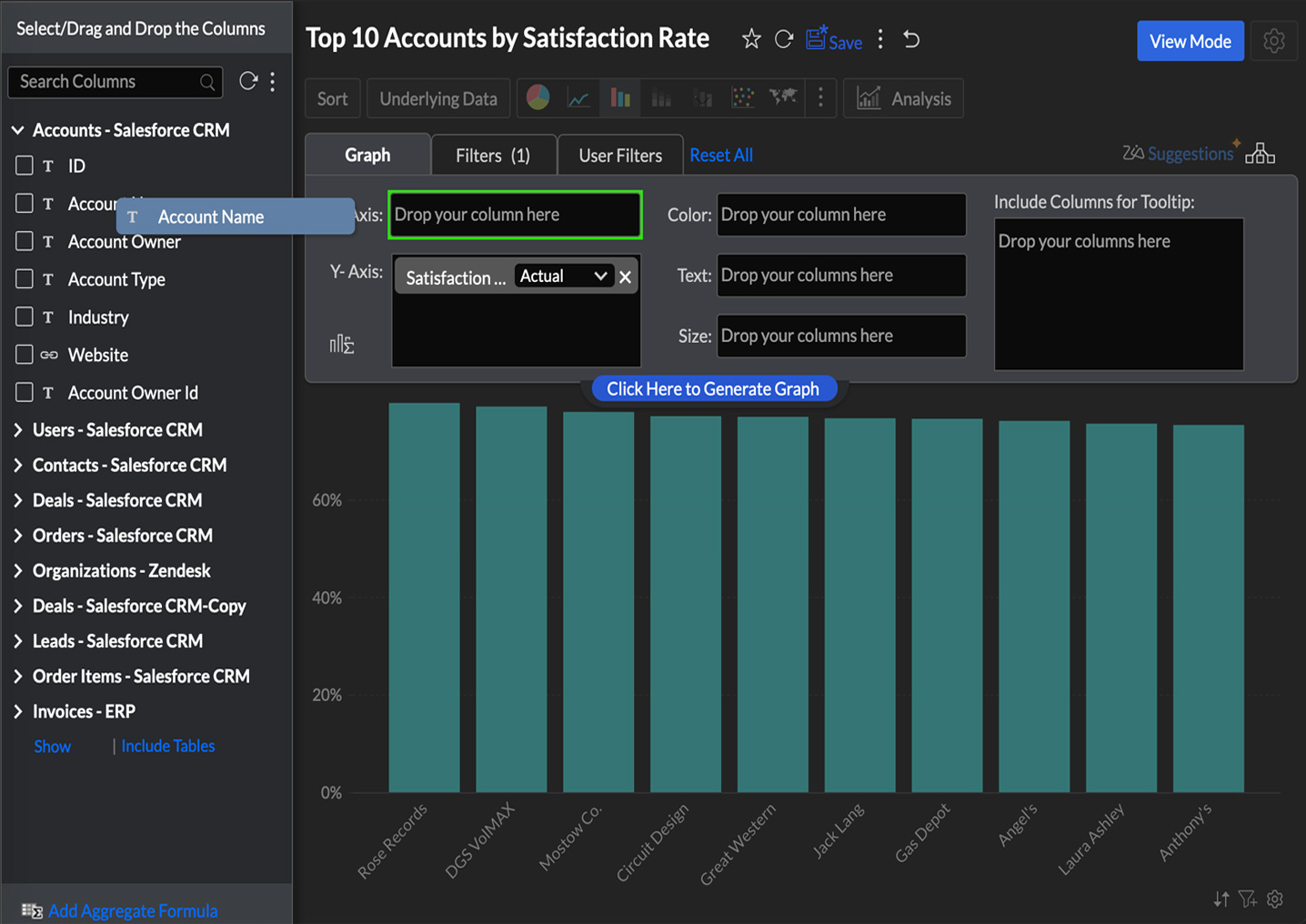
Ease of Use
✅ Intuitive drag-and-drop interface
✅ Create visualizations in minutes
✅ A single, consistent interface - from data to insights to actions
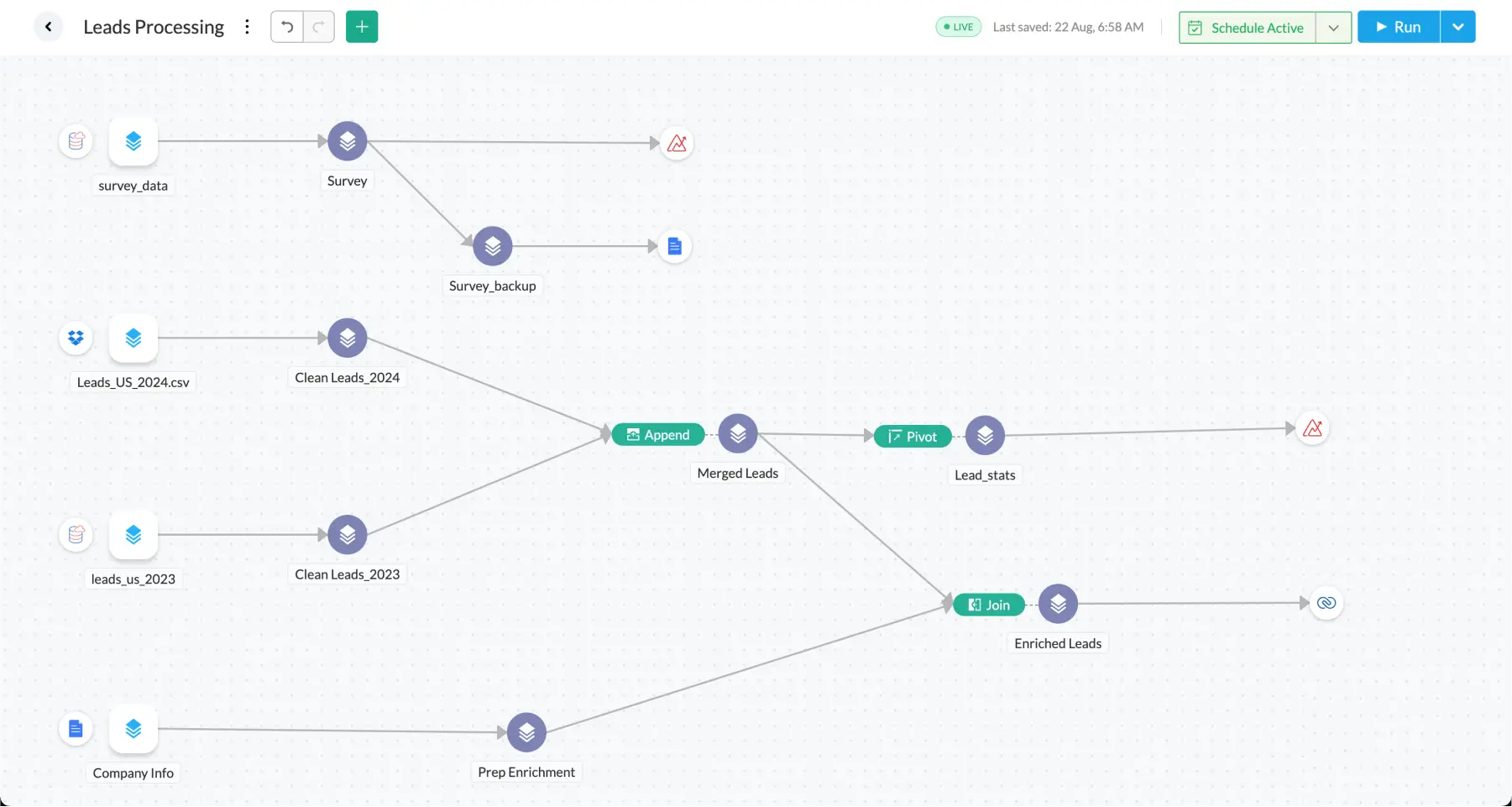
Data Preparation and Pipeline Building Tool
✅ Easy pipeline configuration for seamless data integration
✅ Data cleaning, transformation, enrichment, and modeling - no coding required
✅ Centralized metric management to define and oversee all key business KPIs
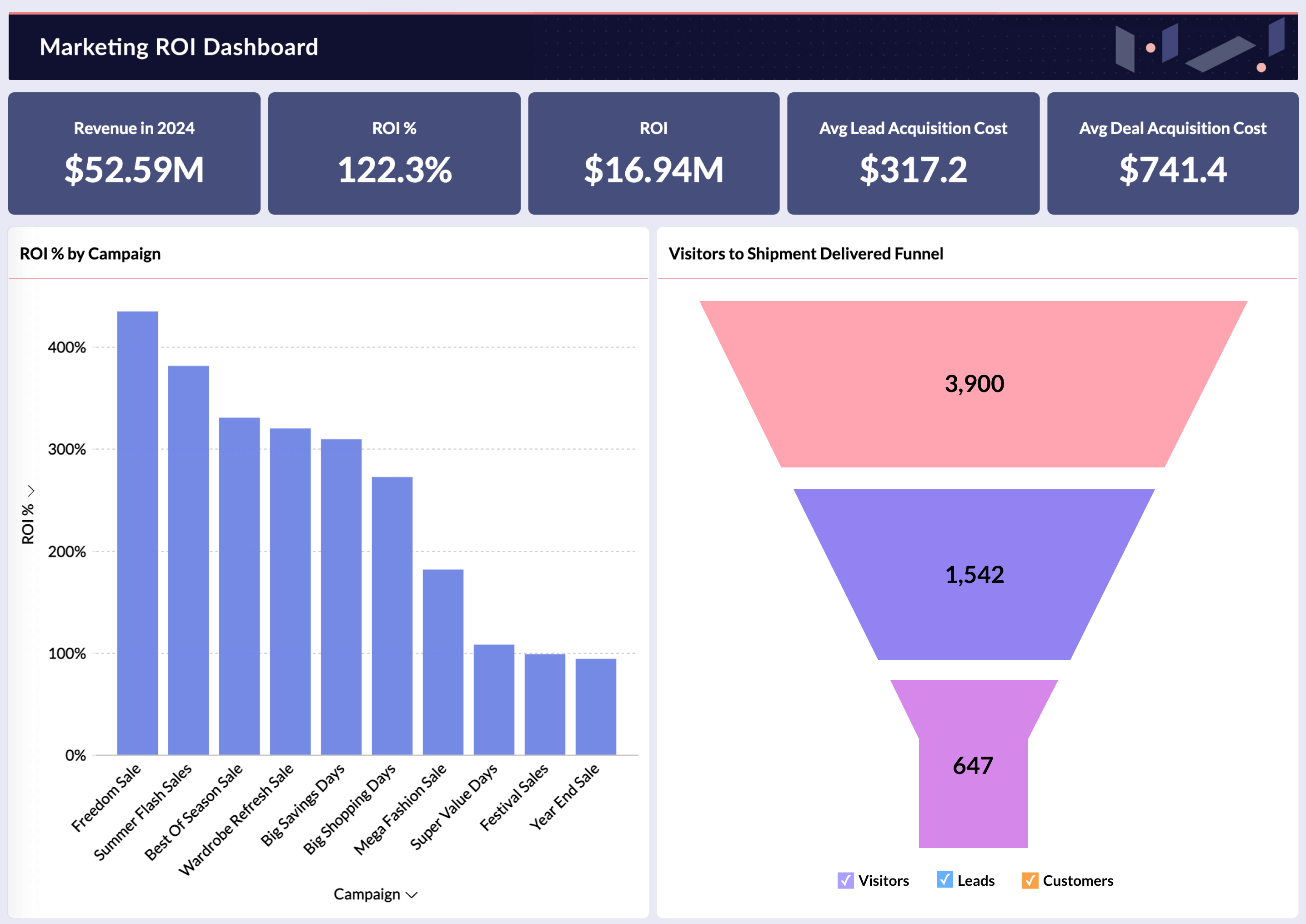
Unified business analytics
✅ Ready-to-use integrations with over 100 business applications
✅ Pre-built metrics, reports, and dashboards for specific business areas
✅ Automatic data integration from various business applications, providing a complete, 360-degree view
Price Comparison: Zoho Analytics vs Tableau
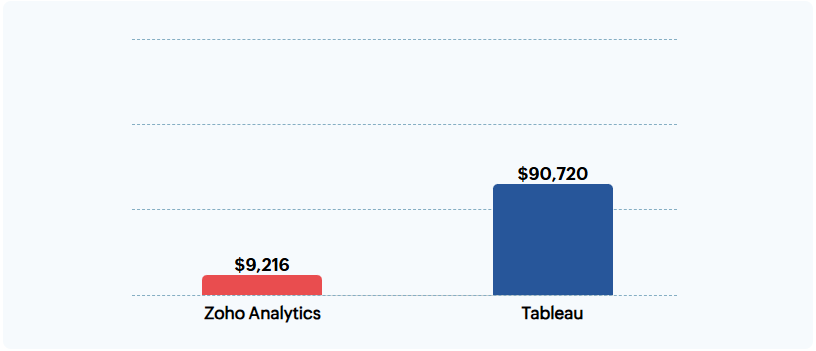
For 200 users, Zoho Analytics costs $9,216 annually, while Tableau costs $90,720 annually. This provides real savings 90% vs Tableau.
Zoho Analytics vs Tableau: Key Feature Comparison
1. Data Integration, Preparation, and Blending
Zoho Analytics offers over 500 native connectors and seamless integration with cloud and on-premise solutions. The platform also features built-in Zoho DataPrep, which allows users to clean, transform, and prepare data without needing separate tools. Additionally, Zoho Analytics enables automatic blending of data from various sources, simplifying analysis and reporting.
Tableau supports over 120 data connectors, but integration can be more complex. Tableau Prep is used for data preparation, functioning as a separate solution. Data blending in Tableau typically requires manual joins and additional configuration.
2. Visualization, Dashboards, and Reporting
Zoho Analytics provides an intuitive drag-and-drop interface, AI-powered insights, and customizable dashboards. The platform also allows for easy setup of recurring reports, alerts, and workflow automation.
Tableau offers advanced data visualization capabilities, but these often require manual customization. Basic reporting automation may necessitate additional tools or external integrations.
3. AI, Predictive Analytics, and Machine Learning
Zoho Analytics leverages Zia AI to generate automatic insights, handle natural language queries, and detect anomalies. The platform also features built-in DSML Studio tools, enabling predictive analytics and anomaly detection without the need for coding.
Tableau offers features based on Tableau AI, but automation is more limited. Advanced machine learning capabilities typically require integration with Python, R, or additional tools.
4. Implementation, Scalability, Localization, and Customization
Zoho Analytics is available in various deployment models: on-premise, Zoho cloud, public cloud, and private and multi-cloud models. The platform scales for businesses of all sizes – from smaller teams to larger organizations. It also offers multi-language support and extensive customization options for reports and dashboards to meet business needs.
Tableau operates primarily in a cloud model, with more limited on-premise deployment options. It is scalable, but costs can increase significantly with the number of users. Tableau supports localization and personalization, but this often requires manual configuration or a more technical approach.
5. Collaboration, Global Presence, Compliance, and Security
Zoho Analytics supports real-time collaboration through shared workspaces, role-based access, and version control. The platform has a strong global presence, data centers worldwide, and complies with standards such as ISO/IEC 27001, 27017, 27018, SOC 2 Type 2, GDPR, and HIPAA.
Tableau also has a global reach and ensures compliance with key standards such as ISO 27001, SOC Type II, and GDPR. However, it may involve higher costs and less regional flexibility. Collaboration features are less advanced and do not always provide full real-time work.
Summary
Zoho Analytics is a modern and cost-effective alternative to Tableau for businesses looking to create reports, dashboards, and analyses faster without excessive technical complexity. The platform combines data integration, data preparation, automatic source blending, visualization, reporting, automation, and AI features in a single environment.
Compared to Tableau, Zoho Analytics can be more accessible for business teams who need an intuitive tool for daily data work. With over 500 native connectors, built-in Zoho DataPrep, a drag-and-drop interface, Zia AI features, and DSML Studio, Zoho Analytics allows for a faster transition from data to actionable insights. Additionally, its lower cost of ownership makes the platform an attractive choice for companies looking to develop business analytics without a significant increase in licensing costs.
Looking to replace Tableau with more cost-effective analytics from Zoho?
We will show you how to use Zoho Analytics to create dashboards, automate reporting, monitor KPIs, and make better business decisions. We will implement Zoho Analytics, connect data from various sources, streamline the data preparation process, and create reports tailored to your team's needs. Contact us to improve data operations in your company.